Rubbish removal Bow Road station service guide
Posted on 03/07/2026
If you live, work, or commute near Bow Road station, rubbish has a funny way of building up right when you least want it to. One broken wardrobe, a few bags from a flat clear-out, or builders' waste left after a quick job can suddenly feel bigger than the space you have for it. This Rubbish removal Bow Road station service guide is here to make the whole process clearer, calmer, and a lot more manageable.
Whether you need a one-off collection, help with bulky items, or a fuller waste clearance plan, the key is knowing what to expect before you book. That way you avoid delays, surprise costs, and the classic "where do I even start?" moment. Let's get into the practical side of it.
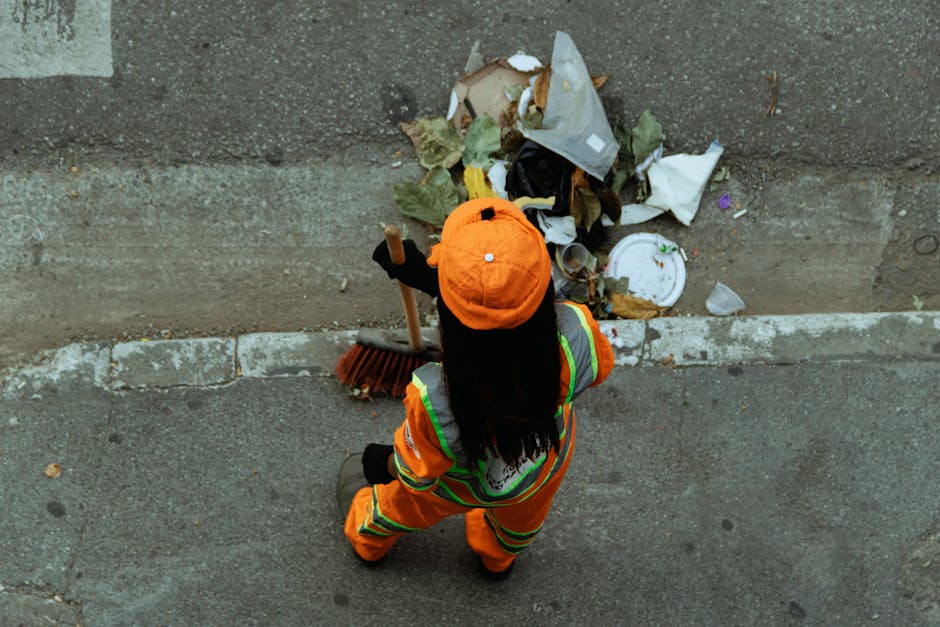
Why Rubbish removal Bow Road station service guide Matters
Bow Road station sits in a busy part of East London, so rubbish removal here is rarely just about "getting rid of stuff." It is about timing, access, building rules, parking constraints, and doing things properly in a place where space is tight and people are always moving. If you are on a main road, in a terrace, above a shop, or in a flat with limited access, a simple job can get complicated fast.
That is why a local service guide matters. It helps you think through the job before anyone turns up with a van. Do you have a staircase issue? Is there lift access? Are there double yellow lines outside? Is the waste mixed, or mostly one type such as furniture, garden cuttings, or builders' debris? These details change the best method, the time needed, and sometimes the cost. Not dramatically every time, but enough to matter.
There is also a trust angle. Good waste removal should be tidy, communicative, and careful with where your rubbish ends up. In a neighbourhood like Bow, where homes, offices, and shops sit side by side, responsible disposal is not a nice extra. It is the baseline.
If you want to understand how a broader local service range fits together, the services overview gives a useful sense of the available options. For readers comparing disposal methods across different waste types, that can be a sensible starting point.
How Rubbish removal Bow Road station service guide Works
At its simplest, rubbish removal works like this: you explain what needs to go, a team assesses the job, they collect the waste, and it is taken away for sorting, recycling, reuse, or disposal. The detail is in the middle. That is where a smooth job is won or lost.
In a Bow Road station context, the process usually starts with a description of the waste and the access conditions. You might be asked to share photos, item counts, or a rough estimate of volume. That is not paperwork for the sake of it. A sofa on the ground floor is a different job from the same sofa on a top floor with awkward stairs and no parking nearby. Truth be told, those little differences are often the whole story.
Once the job is assessed, the collection is scheduled. On the day, the team should turn up with enough labour and the right vehicle size to deal with what was agreed. A decent provider will also separate reusable and recyclable materials where possible. If you have mixed waste, they may sort it on site or at the transfer point afterwards.
For some jobs, especially if you have a lot of household clutter or a property that needs to be emptied quickly, a more comprehensive house clearance service in Bow may be more suitable than a simple one-off rubbish pickup. And if you are specifically clearing work-related space, office clearance in Bow can be a better fit.
A small but important point: good rubbish removal is not just collection. It is sorting, handling, transport, and proper disposal. That whole chain matters.
Key Benefits and Practical Advantages
The biggest benefit is obvious: you get your space back. But there are several less obvious advantages too, and these are often what make the service worth it.
- Saves time: You do not need to hire a van, recruit help, or make repeated trips to a disposal point.
- Reduces stress: No need to juggle heavy lifting, parking problems, or disposal rules on your own.
- Handles awkward items: Old mattresses, broken wardrobes, office chairs, bags of mixed junk, and builders' scraps are often more annoying than they look.
- Improves safety: Less lifting and fewer trips down stairs means lower risk of injury or damage.
- Supports better sorting: A responsible provider will aim to separate recyclable material rather than just dumping everything together.
- Works around real life: Good collections can be planned around work, family, tenants, or contractors already on site.
There is also the emotional benefit. A cluttered hallway or overfilled spare room can make a property feel smaller, heavier, and oddly tiring. Once it is cleared, the place feels easier to use. You notice it straight away. Light moves differently. Sounds echo less. It sounds dramatic, but anyone who has cleared a packed room knows exactly what that moment feels like.
If sustainability matters to you, you may want to read more about the company's approach to recycling and sustainability. That is especially useful if your rubbish includes mixed household items or materials that might be reused.
Who This Is For and When It Makes Sense
This service makes sense for a lot more people than you might expect. It is not only for big home clearances or end-of-tenancy jobs. In fact, many calls are for ordinary, everyday situations.
- Homeowners: If you are replacing furniture, clearing a garage, or tidying after renovation work.
- Renters: Useful when moving out and you need to leave the place clean and manageable.
- Landlords and letting agents: Handy for fast turnaround between tenants, particularly when previous occupants leave unwanted items behind.
- Local businesses: Offices, salons, small shops, and studios often need periodic waste removal.
- Tradespeople: Builders, decorators, and landscapers frequently need site waste collected without delay.
- People helping relatives: Clearing a family property can be emotionally and logistically tricky, so a straightforward collection helps.
If you live near Bow Road station, the practical question is usually not "Do I need rubbish removal?" It is "Is this the easiest and safest way to deal with it?" Quite often, the answer is yes. Especially if you are dealing with bulky items or a tight timetable.
For commercial spaces, a basic rubbish collection in Bow may be enough. For heavier or mixed waste, a fuller waste removal service can be the more efficient route.
Step-by-Step Guidance
Here is the simplest way to approach a rubbish removal job near Bow Road station without making it harder than it needs to be.
- List everything that needs to go. Separate furniture, bagged waste, appliances, garden waste, and construction debris if possible.
- Check access. Note stairs, lifts, narrow hallways, parking restrictions, and whether the vehicle can stop close enough to the property.
- Take clear photos. A few good pictures usually tell the story better than a long message.
- Ask what is included. Find out whether loading, labour, transport, and disposal are all covered in the quote.
- Confirm timing. If you are on a busy road or need collection around work hours, timing matters more than people think.
- Prepare the waste. Group items by type if you can. Bag loose rubbish. Keep sharp objects safe.
- Keep valuables separate. It sounds obvious, but old storage spaces have a habit of hiding things you still want.
- Walk through the job on arrival. A quick face-to-face rundown avoids confusion and keeps the collection efficient.
- Check the area afterwards. Look for small bits, broken pieces, or anything that may have been missed in the rush.
If the job is bigger than expected, do not panic. It happens. A cupboard that looks modest in a photo can become "How on earth did that much fit in there?" once opened. Better to say so early than to discover it midway through the collection.
Expert Tips for Better Results
A few simple habits make rubbish removal far smoother. These are the sorts of things people only learn after doing it once or twice.
Sort before the team arrives. Even a basic split between general waste, recyclable cardboard, old furniture, and garden materials can speed things up. It also helps the provider plan the right vehicle and labour.
Be honest about the volume. Understating the amount almost always causes friction. Overstating it is usually safer if you are unsure. A slightly larger estimate is easier to adjust than a job that needs an extra visit.
Think about access at street level. Around Bow Road station, parking and loading can be the tricky part, not the lifting itself. If access is awkward, mention it early.
Choose the right service for the job. A collection, a waste removal job, a builders' clearance, and a garden clearance are not all the same thing. They overlap, but not perfectly.
Ask how recycling is handled. Not every item can be reused or recycled, of course, but responsible sorting should be part of the conversation.
Book earlier than you think. If you are moving, renovating, or handing back a property, leave more breathing room than you feel you need. Last-minute waste removal always feels a bit more stressful than it should.
If you are dealing with outdoor waste as well, the garden waste removal Bow page is worth a look for jobs involving cuttings, soil, branches, or other green waste. That can be a better fit than standard mixed rubbish collection.
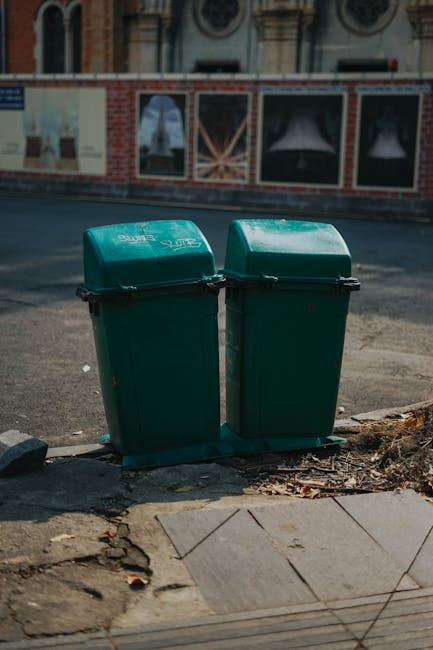
Common Mistakes to Avoid
Rubbish removal is straightforward until it is not. Most problems come from a handful of avoidable mistakes.
- Assuming everything is collectable the same way: Different waste types can require different handling.
- Not mentioning awkward access: A long walk from van to property adds time and can affect the booking.
- Leaving sorting until the last minute: Mixed waste often takes longer to clear, and that can be avoidable.
- Forgetting about hidden items: Behind cupboards, under beds, and in loft corners, there is always one more thing.
- Choosing only on price: Cheapest is not always best if the job is rushed, poorly communicated, or not properly handled.
- Ignoring the paperwork: Terms, safety, and payment details matter. Boring? Maybe. Useful? Absolutely.
Another common one: people underestimate how much "small stuff" adds up. Bags, broken bits, packaging, offcuts, and miscellaneous clutter can fill a vehicle far quicker than a single bulky item. Funny how that works.
Tools, Resources and Recommendations
You do not need specialist equipment to prepare for rubbish removal, but a few simple tools can save time and backache.
- Heavy-duty bags: Good for loose household waste, but do not overload them.
- Gloves: Useful for handling broken items, dusty materials, or garden cuttings.
- Marker pen and tape: Handy if you want to label items that should stay, especially in shared properties.
- Phone camera: Photos are one of the fastest ways to request a sensible quote.
- Trolley or sack truck: Helpful if you are moving items to a collection point before the team arrives.
For practical planning, it also helps to compare the service pages available to you. A general waste removal option in Bow works well for mixed loads, while builders' waste disposal in Bow is more appropriate for renovation rubble, timber offcuts, and trade debris.
If you are comparing how a company handles service information, payment, and trust, these pages are worth reviewing: pricing and quotes, payment and security, insurance and safety, and about us. You do not need to read them like a legal expert, just enough to feel comfortable.
Law, Compliance, Standards, or Best Practice
Waste removal in the UK should be handled carefully and responsibly. You do not need to know every technical detail to book a service, but it helps to understand the basic expectations. Waste should be transported and disposed of by a provider that follows proper practice, sorts material appropriately where possible, and handles any regulated items with care.
As a customer, the practical best practice is simple: make sure you know what is being removed, avoid mixing clearly hazardous items into ordinary waste, and choose a provider that can explain how the job is handled. That is especially important for items like fridges, paint, sharp materials, or anything that may need special treatment. Better safe than sorry, as they say.
It is also sensible to read service terms carefully. A clear set of terms helps avoid misunderstandings on access, payment, cancellations, and what happens if the job changes on arrival. The terms and conditions page is the sort of place to check before you confirm anything, even if it is not the most thrilling five minutes of your week.
For readers who care about broader ethical standards, a company's position on labour and sourcing can matter too. Pages such as modern slavery statement and privacy policy help show how a business thinks about compliance and customer data. Not glamorous, but reassuring.
Options, Methods, or Comparison Table
Different waste jobs call for different approaches. Here is a simple comparison to help you choose the right method without overcomplicating it.
| Option | Best for | Strengths | Watch-outs |
|---|---|---|---|
| Single rubbish collection | Small to medium mixed loads | Quick, flexible, straightforward | May not suit bigger clear-outs |
| House clearance | Whole rooms, flats, or properties | More comprehensive, useful for major declutters | Needs clearer planning and item lists |
| Office clearance | Desks, chairs, files, and commercial waste | Good for business shutdowns or refits | Access and timing can be tight |
| Builders' waste disposal | Renovation debris and trade waste | Better for heavy, awkward materials | Mixed loads need more precise description |
| Garden waste removal | Green waste and outdoor clear-up | Efficient for branches, soil, and cuttings | Not ideal for general household junk |
As a rule of thumb, if your job is mostly furniture and household clutter, household clearance options make sense. If it is a bit of everything, rubbish collection or waste removal may be more practical. If it is mostly one material type, go more specialised. Simple, really.
Case Study or Real-World Example
Imagine a small flat near Bow Road station being handed back after a move. The tenants have left behind a wardrobe, several bin bags, a broken office chair, and a few bits of packaging from flat-pack furniture. Nothing huge on its own, but it is awkward to handle, and the hallway is narrow. There is no lift. Of course there isn't.
The sensible approach is to send photos, explain access, and ask for a collection that includes loading and removal. On the day, the team arrives with a vehicle that can park as close as possible, checks the items to be removed, and clears the flat in one visit. The recyclable cardboard is separated where possible. The remaining waste is taken away properly. The property is ready for cleaning that same afternoon.
Now compare that with a rushed do-it-yourself attempt. Multiple car trips, awkward lifting, parking stress, and an evening spent trying to fit a wardrobe frame into a hatchback that was never meant for the job. You can probably see why many people decide it is not worth the hassle.
That is the real value of a well-planned rubbish removal service: it turns a messy, frustrating task into something manageable.
Practical Checklist
Use this checklist before you book or confirm a collection near Bow Road station.
- List every item or waste bag clearly.
- Separate garden, builders', and household waste where possible.
- Take photos of the load and the access route.
- Check stairs, lifts, parking, and loading space.
- Ask what is included in the price.
- Confirm whether labour, lifting, and disposal are covered.
- Remove valuables and personal paperwork first.
- Keep sharp or fragile items safe and visible.
- Read the service terms and payment details.
- Make sure someone can be available on the day if needed.
- Walk the area after collection to check for missed debris.
Expert summary: The best rubbish removal jobs are usually the ones that are planned just enough, but not overthought. Know what needs removing, be honest about access, and choose the service that matches the waste type. That is the sweet spot.
Conclusion
Rubbish removal near Bow Road station is not just about emptying a space. It is about choosing the right method, avoiding avoidable stress, and making sure the waste is handled properly from start to finish. With a little preparation, you can save time, reduce hassle, and keep the job moving smoothly even in a busy part of London.
If you are comparing options, start with the type of waste, the access conditions, and the level of help you actually need. From there, it becomes much easier to choose between general collection, waste removal, house clearance, office clearance, or a more specific service. Not every job needs the same solution, and that is fine.
Get a free quote today and see how much you can save.
And if you are still weighing up what suits your property or schedule, take your time. A tidy space always feels good in the end, and there is no rush worth making the job harder than it needs to be.
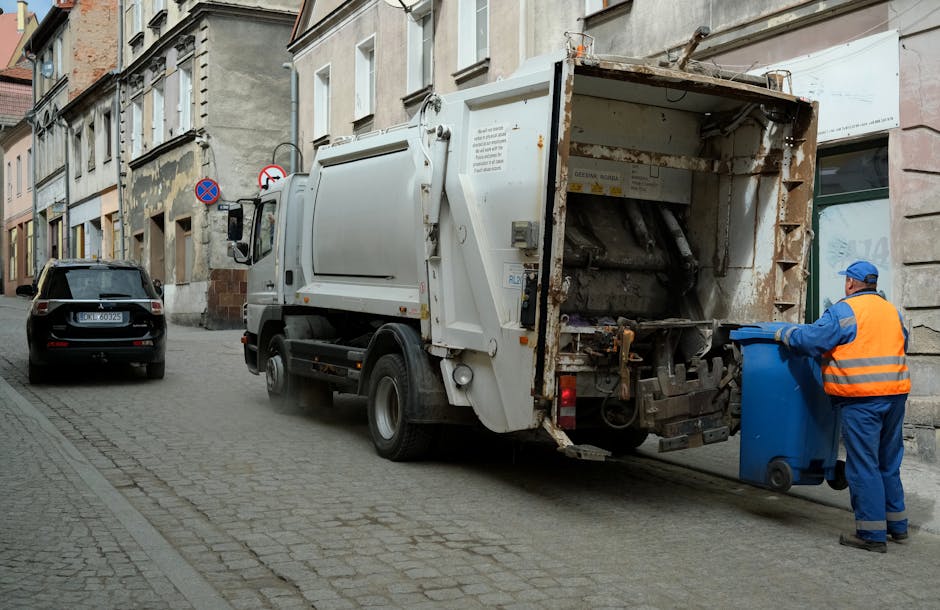

Copyright © . House Clearance Bow. All Rights Reserved.